
Early Symptoms of Brain Tumour: Signs You Should Never Ignore
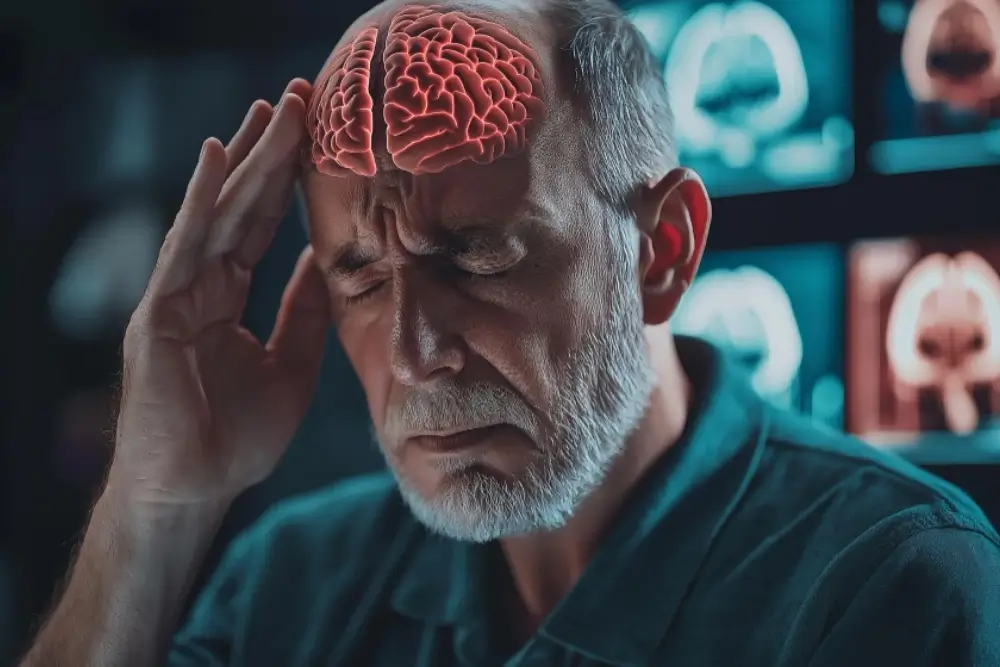
Early Symptoms of Brain Tumour: Signs You Should Never Ignore
Brain tumours are abnormal growths of cells within the brain or surrounding tissues. They can be benign (non-cancerous) or malignant (cancerous), but both types can affect the brain’s normal functioning. Because the brain controls essential functions such as movement, speech, vision, and memory, even a small tumour can cause noticeable symptoms.
One of the biggest challenges in diagnosing brain tumours is that their early signs often resemble common health issues like migraines, fatigue, or stress. However, recognizing the Early Symptoms of Brain Tumour can make a significant difference in early diagnosis and successful treatment.
In this article, we will explore the Early Symptoms of Brain Tumour, why they occur, how they vary depending on tumour location, and when it is important to consult a specialist.
What Is a Brain Tumour?
A brain tumour occurs when abnormal cells grow uncontrollably in the brain. These tumours may originate in the brain itself or spread from cancer in another part of the body.
Types of Brain Tumours
Type | Description |
Primary Brain Tumours | Tumours that originate in the brain tissue |
Secondary (Metastatic) Tumours | Tumours that spread to the brain from other organs |
Benign Tumours | Non-cancerous growths that grow slowly |
Malignant Tumours | Cancerous tumours that grow rapidly and invade nearby tissues |
Even benign tumours can cause serious problems because they increase pressure inside the skull and interfere with normal brain activity.
Why Recognizing Early Symptoms of Brain Tumour Is Important
Early diagnosis of brain tumours improves treatment outcomes and can prevent complications. When detected at an early stage, doctors may be able to treat the tumour more effectively using surgery, radiation therapy, or other targeted treatments.
The Early Symptoms of Brain Tumour often develop gradually. Patients may notice small changes in their health or behavior that slowly worsen over time. Being aware of these signs can help individuals seek medical advice before the condition becomes severe.
Common Early Symptoms of Brain Tumour
The symptoms of a brain tumour depend on its size, location, and rate of growth. Below are some of the most common Early Symptoms of Brain Tumour.
1. Persistent Headaches
Headaches are one of the most frequently reported Early Symptoms of Brain Tumour. However, these headaches tend to differ from ordinary headaches.
Features of Brain Tumour Headaches
- Persistent and gradually worsening
- Often more severe in the morning
- Not relieved by usual pain medications
- Worse with coughing, bending, or physical activity
- Accompanied by nausea or vomiting
These headaches occur due to increased pressure within the skull caused by the tumour.
2. Vision Problems
Changes in vision may occur if a tumour affects the optic nerves or areas of the brain responsible for visual processing.
Common Vision Changes
- Blurred vision
- Double vision
- Loss of peripheral vision
- Difficulty focusing
- Temporary vision loss
Many patients initially attribute these symptoms to eye strain or aging, but persistent vision changes may indicate underlying neurological issues.
3. Seizures
Experiencing a seizure without a previous history of epilepsy can be a warning sign of a brain tumour.
Types of Seizures Associated with Brain Tumours
Type of Seizure | Symptoms |
Focal seizures | Jerking or twitching in one part of the body |
Generalized seizures | Loss of consciousness and body shaking |
Sensory seizures | Unusual sensations like tingling, flashing lights, or strange smells |
Seizures occur when a tumour disrupts the normal electrical signals in the brain.
4. Nausea and Vomiting
Another important Early Symptoms of Brain Tumour is unexplained nausea or vomiting.
Key Signs
- Nausea that occurs frequently without digestive problems
- Vomiting, especially in the morning
- Symptoms accompanied by headaches
This happens when the tumour increases pressure within the brain.
5. Weakness or Numbness in the Body
Some brain tumours affect areas responsible for movement and sensation.
Possible Symptoms
- Weakness in the arms or legs
- Numbness or tingling sensations
- Difficulty lifting objects
- Problems with coordination
These symptoms may gradually worsen if the tumour continues to grow.
6. Balance and Coordination Problems
The cerebellum is the part of the brain that controls balance and coordination. Tumours affecting this area may cause movement problems.
Early Warning Signs
- Frequent loss of balance
- Difficulty walking straight
- Clumsiness
- Dizziness or vertigo
These symptoms can significantly affect daily activities and mobility.
7. Speech or Language Difficulties
Some tumours interfere with areas of the brain responsible for speech and communication.
Common Symptoms
- Slurred speech
- Difficulty finding the right words
- Trouble understanding conversations
- Problems with reading or writing
These changes may occur gradually and are often noticed by family members first.
8. Personality and Behaviour Changes
The brain’s frontal lobe controls personality, decision-making, and emotional regulation. Tumours affecting this area can cause noticeable behavioural changes.
Possible Behavioural Symptoms
- Mood swings
- Irritability
- Depression
- Poor judgment
- Difficulty concentrating
- Memory problems
Such changes may appear subtle at first but become more pronounced over time.
9. Persistent Fatigue
Constant fatigue is another overlooked Early Symptoms of Brain Tumour.
Signs of Tumour-Related Fatigue
- Extreme tiredness
- Lack of energy despite adequate sleep
- Difficulty concentrating
- Reduced motivation
This fatigue can result from the body’s response to tumour growth or increased pressure in the brain.
Early Symptoms of Brain Tumour Based on Tumour Location
The symptoms may vary depending on which part of the brain is affected.
Brain Area | Possible Symptoms |
Frontal Lobe | Personality changes, memory problems, poor decision-making |
Temporal Lobe | Hearing problems, seizures, difficulty understanding speech |
Parietal Lobe | Difficulty with sensation and coordination |
Occipital Lobe | Vision problems |
Cerebellum | Balance and coordination issues |
Brainstem | Difficulty swallowing, facial weakness |
Understanding these patterns helps doctors determine the possible location of a tumour during diagnosis.
How Stage 1 Prostate Cancer Is Diagnosed
Early detection plays a crucial role in managing Stage 1 Prostate Cancer. Doctors may use several diagnostic tests to confirm the presence of cancer and determine its stage.
Common Diagnostic Tests
Test | Purpose |
PSA Test | Measures prostate-specific antigen levels in the blood |
Digital Rectal Examination (DRE) | Allows the doctor to check the prostate for abnormalities |
Prostate Biopsy | Confirms the presence of cancer cells |
MRI Scan | Provides detailed imaging of the prostate |
CT Scan | Helps assess whether cancer has spread |
Among these tests, the prostate biopsy is the most definitive way to confirm prostate cancer.
Symptoms That Should Never Be Ignored
Although many symptoms of brain tumours may overlap with common illnesses, some warning signs require immediate medical attention.
Seek medical advice if you experience:
- Persistent headaches that worsen over time
- A seizure without prior history
- Sudden vision changes
- Difficulty speaking or understanding speech
- Weakness on one side of the body
- Frequent vomiting without clear cause
- Sudden personality or behavioural changes
Ignoring these symptoms may delay diagnosis and treatment.
Risk Factors for Brain Tumours
In many cases, the exact cause of brain tumours is unknown. However, certain factors may increase the risk.
Common Risk Factors
- Exposure to radiation
- Family history of brain tumours
- Genetic disorders
- Age (both children and older adults are at higher risk)
- Previous cancers that spread to the brain
However, it is important to remember that brain tumours can develop even without these risk factors.
How Brain Tumours Are Diagnosed
If a doctor suspects a brain tumour, several tests may be recommended.
Common Diagnostic Tests
Test | Purpose |
MRI Scan | Provides detailed images of the brain |
CT Scan | Helps detect tumours and brain abnormalities |
Neurological Examination | Evaluates brain function and reflexes |
Biopsy | Confirms the type of tumour |
These tests help doctors determine the size, location, and type of tumour.
Treatment Options for Brain Tumours
Treatment depends on several factors including the tumour type, location, and overall health of the patient.
Common Treatments
- Surgery: Removal of the tumour when possible
- Radiation Therapy: Uses high-energy radiation to destroy tumour cells
- Chemotherapy: Drugs used to kill or slow cancer growth
- Targeted Therapy: Attacks specific tumour cells while sparing healthy tissue
- Immunotherapy: Helps the immune system fight cancer cells
Doctors often use a combination of treatments to achieve the best outcomes.
When Should You See a Doctor?
Consult a specialist if you notice persistent neurological symptoms that cannot be explained by common conditions.
Symptoms That Require Medical Evaluation
- Continuous headaches
- Unexplained seizures
- Vision disturbances
- Sudden difficulty speaking
- Weakness in limbs
- Persistent nausea or vomiting
Early consultation can help identify the cause and ensure timely treatment.
Tips for Monitoring Symptoms
Keeping track of symptoms can help doctors make an accurate diagnosis.
What You Should Record
- Frequency of headaches
- Duration of symptoms
- Any triggers
- Associated symptoms such as nausea or dizziness
This information can help specialists understand how symptoms are progressing.
Conclusion
Recognizing the Early Symptoms of Brain Tumour is crucial for timely diagnosis and effective treatment. While many symptoms such as headaches, fatigue, or vision changes may appear harmless, persistent or worsening neurological symptoms should never be ignored.
Awareness of these warning signs allows patients to seek medical evaluation early, which can significantly improve treatment outcomes. If you or a loved one experience ongoing symptoms such as persistent headaches, seizures, vision problems, or personality changes, consulting a qualified specialist is the best step toward protecting your health.
Early diagnosis saves lives, and understanding the Early Symptoms of Brain Tumour can make a critical difference in ensuring prompt and effective care.